
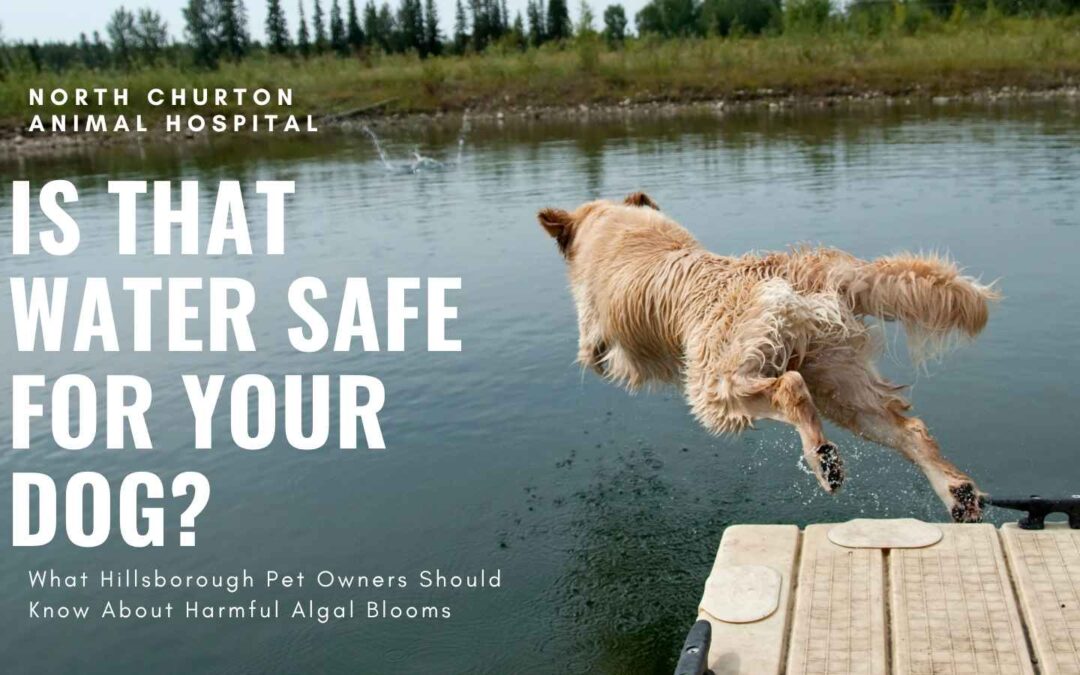
Is That Water Safe for Your Dog? What Hillsborough Pet Owners Should Know About Harmful Algal Blooms
Is That Water Safe for Your Dog? What Hillsborough Pet Owners Should Know About Harmful Algal Blooms – When the temperatures climb in North Carolina, a dip in a pond, lake, river, or stream can look pretty inviting to a dog. But before you let your dog jump in, take a closer look at the water.
Warm temperatures, slow-moving water, and certain environmental conditions can contribute to the growth of algae and cyanobacteria, commonly called blue-green algae. While algae are a natural part of aquatic environments, some blooms can produce toxins that are dangerous to pets.
Here in Hillsborough, this is an especially timely topic. During the hot, dry weather in June 2026, the Town of Hillsborough reported an increase in algae upstream of the town’s Eno River water intake. The town’s drinking water remained safe, and this was not reported as a harmful algal bloom. However, town officials noted that algal blooms typically peak during late summer or early fall when temperatures are warm and rainfall is low.
For dog owners who enjoy spending time near the water, it’s a good reminder to know what to look for and when to keep your pet on dry land.
What Is a Harmful Algal Bloom?
Algae and cyanobacteria occur naturally in water. Under the right conditions, however, they can multiply rapidly and create what is known as a bloom. Some blooms can produce toxins that are harmful to people and animals. These are known as harmful algal blooms, or HABs.
According to the North Carolina Department of Environmental Quality, cyanobacterial blooms are most common during the summer months when warm temperatures, bright sunlight, and increased nutrients encourage growth. One of the challenges is that you cannot determine whether a bloom is toxic simply by looking at it. Testing is required to determine whether certain toxins are present.
That means when you’re unsure about the water, the safest choice is to keep your dog out.
What Does a Potential Algal Bloom Look Like?
Not every pond with green water is dangerous, and not every harmful bloom looks exactly the same.
Potential blooms can cause water to appear:
- Bright green, blue, red or brown
- Discolored or cloudy
- Covered with foam, scum or mats
- Similar to spilled paint on the water’s surface
- Unusually thick or murky
Some blooms can also produce a strong or unpleasant odor as they begin to die. North Carolina public health officials recommend keeping pets away from water that appears discolored or scummy. If the water doesn’t look right, don’t let your dog investigate it.
Why Are Harmful Algal Blooms So Dangerous for Dogs?
Dogs can be particularly vulnerable because of how they interact with water. A dog may swallow water while swimming, intentionally drink from a pond or lake, or eat algae along the shoreline. Exposure doesn’t necessarily end when your dog gets out of the water, either. Algae or toxins can remain on a dog’s coat, and your dog may ingest them later while licking their fur.
Depending on the type and amount of toxin involved, illness can develop quickly. Harmful algal bloom toxins can affect several areas of the body, including the liver and nervous system.
Signs Your Dog May Have Been Exposed
If your dog has recently been swimming or playing near questionable water, watch carefully for changes in behavior or health.
Signs associated with harmful algal bloom exposure can include:
- Vomiting
- Excessive drooling or foaming at the mouth
- Diarrhea
- Weakness or loss of energy
- Stumbling or difficulty walking
- Tremors
- Difficulty breathing
- Seizures
- Collapse
Symptoms can occur rapidly following exposure. If your dog becomes ill after swimming in or drinking from a pond, lake, river, or stream, contact a veterinarian immediately. Don’t wait to see whether the symptoms improve on their own.
What Should You Do if Your Dog Goes Into Questionable Water?
Sometimes your dog gets to the water before you realize something doesn’t look right. If your pet enters water that may contain a bloom, keep them from licking their coat and rinse them thoroughly with clean, fresh water as soon as possible.
If you believe your dog swallowed the water or algae, or if your dog begins showing signs of illness, seek veterinary care right away. When possible, make a note of where the exposure occurred and what the water looked like. This information may be helpful when speaking with your veterinarian.
Can Cats Be Affected, Too?
Yes. Harmful algal bloom toxins can affect many animals, including cats, livestock and wildlife. Cats may be less likely than water-loving dogs to jump into a pond or lake, but they should still be kept away from water that appears to contain an algal bloom. Outdoor cats may also encounter ponds, streams, and other natural water sources without their owners realizing it.
Providing clean, fresh drinking water is always the safest option for both dogs and cats.
Enjoy the Outdoors, But Check the Water First
Late summer and early fall can be a beautiful time to get outside with your pets in Hillsborough and throughout Orange County. Warm North Carolina weather can stick around long after the calendar begins telling us fall is on the way.
If your adventures include a pond, lake, river or stream, take a moment to look at the water before allowing your dog to swim or drink. You don’t have to identify exactly what is growing in the water to make the safer decision.
As the North Carolina Department of Health and Human Services recommends: When in doubt, stay out.
And if your pet becomes sick after being in or near questionable water, contact your veterinarian immediately.
North Churton Animal Hospital proudly serves Hillsborough and Durham, NC with comprehensive care for dogs and cats.
Call us today to make an appointment for your pet.
Durham Animal Hospital (919) 620-7387
North Churton Animal Hospital in Hillsborough, NC (919) 644-7387
Find us on Facebook:
Sources
Town of Hillsborough, North Carolina: “Drought, Heat May Impact Water Taste,” June 29, 2026
North Carolina Department of Environmental Quality, Division of Water Resources: Cyanobacterial (Blue-Green Algae) Blooms
North Carolina Department of Environmental Quality: “NCDEQ Division of Water Resources Urges Caution Around Discolored Water,” May 20, 2026
Centers for Disease Control and Prevention: Harmful Algal Bloom-Associated Illnesses and Preventing Pet and Livestock Illnesses Caused by Harmful Algal Blooms