Thanksgiving is a time for gathering, gratitude, and sharing delicious meals with loved ones. For pet owners in Hillsborough and surrounding communities, it is also a season to be extra vigilant about your dog or cat’s safety. Many traditional holiday foods, festive decorations, and the increased hustle and bustle can introduce unexpected hazards for pets. At North Churton Animal Hospital, our veterinary team is committed to helping you keep your pet happy and healthy all year long. In this blog, we will highlight the most common Thanksgiving dangers for dogs and cats, offer practical tips to prevent accidents, and explain when it is time to schedule an appointment at our Hillsborough location. Whether you are preparing a feast, hosting guests, or traveling with your pet, understanding these risks can help you enjoy a safe and peaceful holiday.
Recognizing Thanksgiving Hazards: Signs Your Pet May Be in Trouble
Every year, veterinary clinics see a rise in pet emergencies during the holiday season, especially around Thanksgiving. It is important to recognize warning signs early so you can act quickly if your dog or cat encounters a problem. Key symptoms that may indicate exposure to Thanksgiving hazards include vomiting, diarrhea, loss of appetite, abdominal pain, bloating, lethargy, restlessness, and coughing or gagging. In some cases, pets may show changes in behavior such as hiding, whining, or appearing anxious. If your pet has gotten into food or decorations, additional signs to watch for are drooling, difficulty breathing, trembling, or sudden weakness.
It is also important to pay attention if your pet has a known history of dietary indiscretion, food allergies, or a tendency to chew on objects. Pets with pre-existing health conditions or seniors may be more vulnerable to complications. If you notice any of these symptoms, do not wait to consult your veterinarian, as prompt action can make a significant difference.
Why Thanksgiving Is Risky for Pets: Understanding the Dangers
Thanksgiving poses unique risks to pets due to a combination of tempting foods, unfamiliar visitors, and festive decorations. One of the most common issues is accidental ingestion of human foods that are toxic or difficult for pets to digest. Turkey bones, fatty trimmings, onions, garlic, grapes, raisins, chocolate, and desserts containing xylitol can all cause serious health problems if eaten by dogs or cats. Even seemingly harmless foods like stuffing or mashed potatoes may contain hidden ingredients such as butter, garlic, or spices that are unsafe for pets.
Another concern is the increased presence of leftovers and trash that may be accessible to curious animals. Pets are often drawn to the smells of the holiday meal and may rummage through garbage or countertops in search of scraps. Bones can splinter and cause choking or intestinal blockages, while fatty foods may trigger pancreatitis—a painful and potentially life-threatening inflammation of the pancreas.
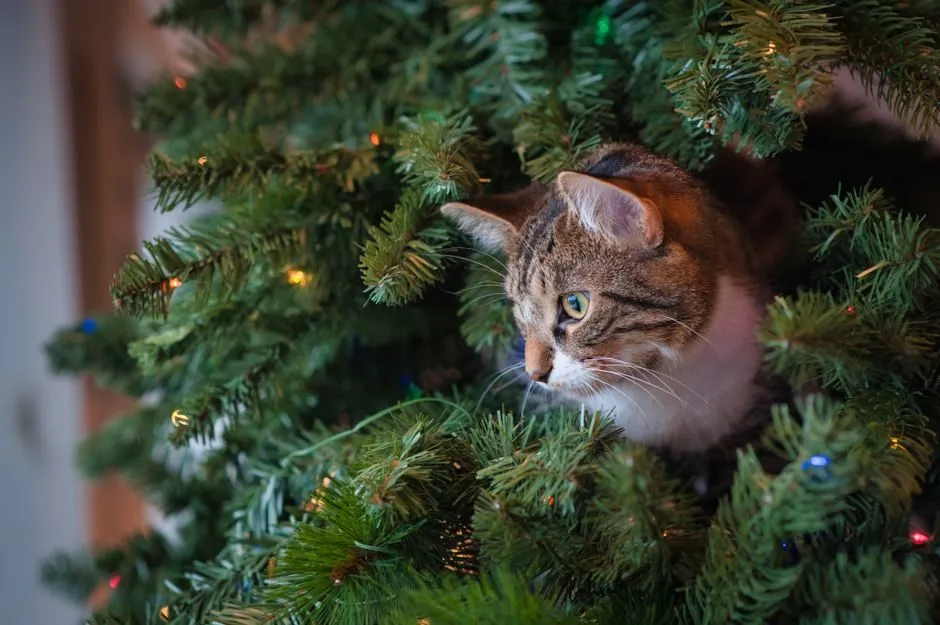
Decorations also present hazards. Scented candles, floral arrangements (especially those containing lilies, which are highly toxic to cats), string lights, and small decorative objects can become dangerous if chewed or swallowed. Additionally, a busy household with frequent visitors or loud noises can cause stress and anxiety for pets, leading to escape attempts or behavioral changes.
Treatment and Veterinary Management of Thanksgiving Hazards
If your pet is exposed to a Thanksgiving hazard, the treatment will depend on what they have ingested or encountered and how quickly you seek veterinary care. When you bring your pet to North Churton Animal Hospital after a suspected ingestion or exposure, our veterinary team will begin with a thorough physical examination and review of your pet’s history. In many cases, we may recommend diagnostic laboratory testing to assess organ function or to identify toxins. If your pet has swallowed an object or bone, digital radiology (X-rays) may be used to pinpoint the location and determine whether surgery is needed.
Treatment approaches involve supportive care such as intravenous fluids, anti-nausea medication, pain management, and monitoring for complications. In cases of foreign-body ingestion or intestinal blockage, internal surgery services may be necessary to remove the object and prevent further damage. The earlier you seek help, the better the chances for a full recovery.
If your pet is experiencing mild digestive upset and has not consumed anything toxic, your veterinarian may recommend a bland diet and close observation at home. However, never attempt to induce vomiting or treat poisoning at home without professional guidance, as this can sometimes make the situation worse.
Prevention: Keeping Dogs and Cats Safe During Thanksgiving
Taking a few proactive steps can dramatically reduce the risk of Thanksgiving-related emergencies for your pet. Start by keeping all food, especially bones, desserts, and leftovers, out of reach and securely stored in cabinets or the refrigerator. Remind guests not to feed your dog or cat table scraps or treats from their plates. Consider designating a pet-free zone in the kitchen and dining area to minimize temptation and prevent accidents.
Trash should be disposed of promptly in containers with tight-fitting lids, as pets can easily access discarded food and wrappings. Decorations and candles should be placed well above your pet’s reach, and electrical cords should be tucked away or covered. If you use floral arrangements, check for toxic plants such as lilies and avoid bringing them into your home if you have cats.
During gatherings, provide your pet with a quiet, comfortable space away from the noise and commotion. Some pets benefit from soothing music, familiar blankets, or interactive toys to help them relax. Make sure your pet’s identification tags and microchip information are up to date in case they slip out the door during festivities.
If you are traveling with your pet or boarding them, pack their regular food, medications, and comfort items to help reduce stress, and inform caretakers about any allergies or health concerns. Being mindful of your pet’s unique needs will help ensure a safe and enjoyable holiday for everyone.
When to Seek Veterinary Care for Holiday Emergencies
Knowing when to contact your veterinarian can be the difference between a minor issue and a serious emergency. You should schedule an appointment immediately if your pet has eaten a known toxin such as chocolate, xylitol, grapes, raisins, onions, garlic, or cooked bones. Persistent vomiting, diarrhea, loss of appetite, difficulty breathing, or signs of abdominal pain are also reasons to seek urgent veterinary attention.
If you suspect your pet has swallowed a foreign object, notice unusual behavior, or see evidence of poisoning or trauma, do not wait for symptoms to worsen. Early intervention can prevent complications and improve your pet’s chances of a quick recovery. The veterinary team at North Churton Animal Hospital is here to support you with compassionate care and expertise. You can easily request an appointment or call us directly if you have concerns about your pet’s health.
Keeping Your Pets Healthy and Happy This Thanksgiving
Thanksgiving should be a time to celebrate with family, friends, and your beloved pets. With careful planning and attention to potential hazards, you can keep your dog or cat safe from common holiday dangers. Remember, symptoms such as vomiting, lethargy, or sudden changes in behavior should never be ignored. Prevention is always the best approach, but when accidents happen, our veterinary professionals at North Churton Animal Hospital are ready to help.
If you are searching for a veterinarian near me or need advice about your pet’s safety this holiday season, our team is here to provide guidance and support. To schedule an appointment or learn more about how we can help, call us at (919) 644-7387 or request an appointment online. From everyone at North Churton Animal Hospital, we wish you and your pets a safe, happy Thanksgiving and a wonderful start to the holiday season.
This article is intended for informational purposes only and does not replace professional veterinary advice. If you have urgent concerns about your pet’s health, contact your veterinarian as soon as possible.