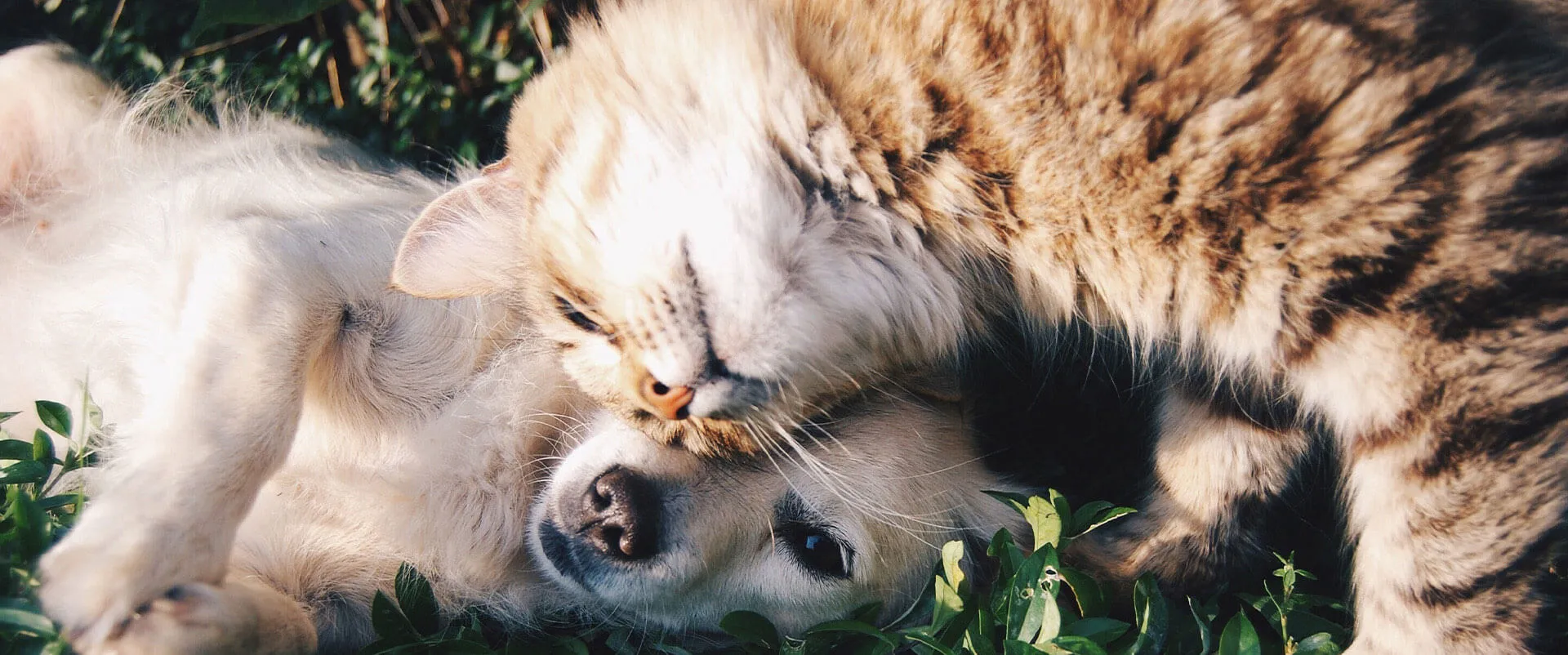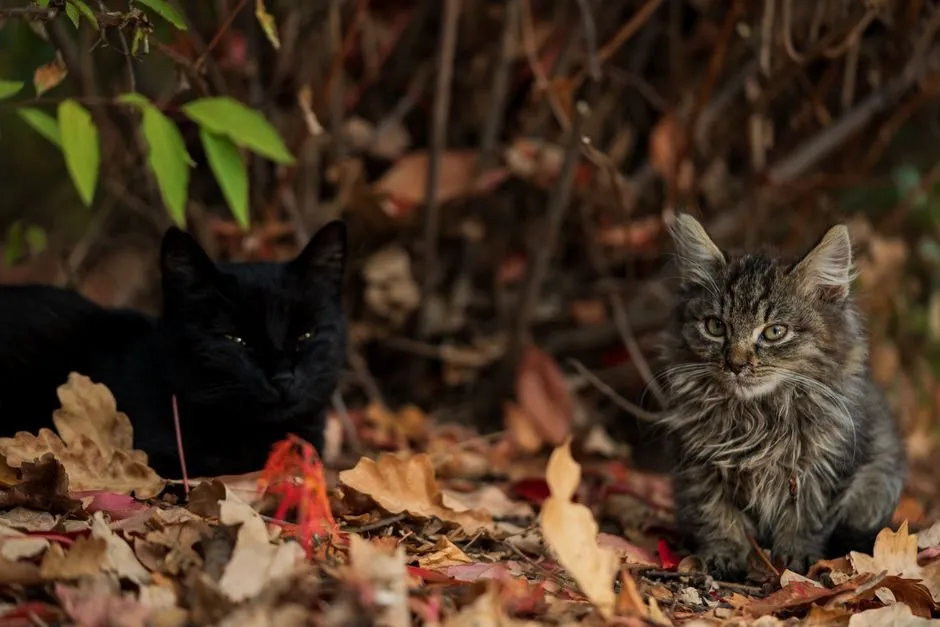
When the crisp air settles in across Hillsborough and the days grow shorter, it’s time for dog and cat owners to think about their pets’ comfort and safety during the colder months. At North Churton Animal Hospital, located at 636 N Churton St, Hillsborough, NC 27278, we know that our community’s cool November weather brings unique challenges for pets. Whether you’re enjoying a brisk walk with your dog or watching your cat seek out the warmest spot in the house, there are important steps every pet owner can take to keep their companions healthy and thriving through fall and winter. This guide will cover how to recognize signs that your pet may be struggling with the cold, why these issues arise, what you can do at home, and when it is time to seek help from your veterinary team. Our goal is to make sure you feel confident in caring for your pets during every chilly day the season brings.
Recognizing Cold Weather Risks: Signs Your Pet May Be Uncomfortable
Even though dogs and cats have fur coats, they can experience discomfort and even health problems when temperatures drop. While some breeds are more cold-tolerant, every animal is different; age, health status, and coat type all play a part. Signs that your pet may be feeling the effects of cold weather include shivering, whining, seeking out warmth more than usual, or showing reluctance to go outside. Dogs might lift their paws frequently on cold pavement or snow, and cats may hide or become less active than usual. You may also notice your pets’ skin becoming dry or flaky, an increased appetite as they burn more calories to stay warm, or changes in behavior such as agitation or clinginess. If your pet is older or has a chronic health condition, such as arthritis or heart disease, they may seem stiffer or more lethargic on chilly mornings. It’s important to pay attention to these changes, as they can be early warning signs that your dog or cat needs a bit of extra care.
Understanding Why Cold Weather Affects Dogs and Cats
The cooler months in Hillsborough bring not only lower temperatures but also increased moisture and wind, which can intensify the cold’s impact on pets. Dogs and cats regulate their body temperature differently than humans, and factors such as body size, coat thickness, and age can make a big difference. Smaller breeds and short-haired cats and dogs lose body heat more quickly, making them more prone to hypothermia in cold, damp conditions. Senior pets or those with underlying health conditions may also have a harder time keeping warm. Exposure to harsh elements, icy surfaces, and drafts can put stress on your pet’s immune system, leading to dry skin, cracked paw pads, and increased risk of illness. Even indoor pets are not immune; chilly drafts, cold tile floors, and reduced sunlight can lead to discomfort and mood changes. Understanding these risk factors helps owners take proactive steps to keep their companions healthy.
Common Cold Weather Hazards
During late fall and winter, several seasonal dangers become more prominent for pets in the Hillsborough area. Antifreeze spills in driveways or garages pose a serious poisoning risk, as its sweet taste can attract curious dogs and cats. Ice-melting chemicals, often used on sidewalks and driveways, can irritate or burn sensitive paws if walked on or ingested during grooming. Additionally, holiday decorations such as tinsel or electrical cords present risks, especially for playful cats. Outdoor pets are also at risk for frostbite, particularly on their ears, tails, and paws. Recognizing these hazards is the first step in creating a safer environment for your dog or cat.
How to Keep Your Pet Comfortable and Safe in Cold Weather
Providing a warm, inviting home environment is essential when temperatures drop. For indoor pets, ensure their favorite resting spots are away from drafts, cold floors, or unheated rooms. Consider adding a cozy bed or blanket in a quiet corner, and for older pets, orthopedic bedding can help with joint stiffness. If your dog spends time outside, limit walks or playtime to shorter periods and choose the warmest part of the day. For dogs with thin coats, a well-fitted sweater or jacket can make outings more comfortable, especially for smaller breeds or seniors.
Cats may enjoy sunbathing by a window or curling up on a heated pet mat, but always supervise to prevent burns. Keep their litter boxes in a warm area, as some cats may avoid using a cold box, leading to accidents or urinary issues.
Hydration remains critical in cold weather, as the dry air from heating systems can dehydrate pets just as much as summer heat. Refresh water bowls frequently and consider using a pet-safe, heated water bowl for outdoor animals to prevent freezing.
Exercise and Mental Stimulation
While chilly weather may limit outdoor adventures, keeping your dog or cat active is important for both physical and mental health. For dogs, shorter, more frequent walks can help maintain fitness, while indoor games such as hide-and-seek with treats or interactive toys can provide enrichment. Cats benefit from climbing trees, scratching posts, and puzzle feeders to keep their minds engaged. Activity helps combat the winter blues, supports joint health, and prevents unwanted weight gain during months when pets are less active.
Seasonal Pet Health: Preventive Veterinary Care in Fall and Winter
Maintaining a regular veterinary care routine is just as important in the colder months as it is in spring or summer. Annual or semi-annual wellness examinations allow your veterinarian to monitor your pet’s health, check for signs of seasonal stress, and address issues such as arthritis or weight changes before they become serious. During these visits, your veterinary team can provide tailored advice on nutrition, supplements, and exercise appropriate for your pet’s age and health status. You can learn more about our comprehensive pet exam services designed to help pets in Hillsborough stay healthy year-round.
Vaccinations remain important throughout the year, as certain diseases can be more prevalent during cold, damp weather. Your veterinarian may also recommend ongoing heartworm testing, since prevention is essential even when mosquitoes are less active. Regular dental care, skin and coat checks, and conversations about seasonal hazards should be part of your pet’s healthcare plan.
At-Home Cold Weather Care: Practical Steps for Pet Owners
There are several simple changes you can make at home to help your dog or cat thrive through fall and winter. Always wipe your pet’s paws after walks to remove any ice, salt, or chemicals they may have picked up outdoors. Monitor for redness, cracking, or swelling, and ask your veterinarian about pet-safe balms or moisturizers if your pet’s feet seem dry. Check collars and harnesses for proper fit, as pets may gain or lose weight during the season.
Nutrition needs may change as well. Active dogs and outdoor cats often require extra calories to maintain body heat, while less-active indoor pets may benefit from careful portion control to avoid weight gain. Consult with your veterinary team if you’re unsure about the best diet for your pet’s current lifestyle.
Be mindful of space heaters, fireplaces, and holiday candles; pets are naturally curious and may accidentally get too close. Likewise, keep dangerous substances such as antifreeze, chocolate, and holiday plants (like poinsettias or lilies) well out of reach.
Lastly, always supervise your dog or cat during outdoor time. Never leave pets outside unattended in cold weather, and ensure all outdoor shelters are dry, insulated, and draft-free. For cats that venture outdoors, provide easy access to a warm spot and check under the hood of your car before starting it, as cats sometimes seek warmth in engine compartments.
When to Schedule a Veterinary Visit: Red Flags in Cold Weather
Certain symptoms during the colder months warrant prompt attention from your veterinary team. Seek care if your pet shows signs of hypothermia, such as persistent shivering, weakness, or difficulty walking. Frostbite can present as pale, gray, or bluish skin, especially on the ears, paws, or tail, which may become swollen or painful. If your pet becomes lethargic, loses interest in food, develops a persistent cough, or has trouble breathing, these could signal underlying health problems, including respiratory or cardiac issues that are sometimes triggered by cold weather.
Pets with arthritis may experience increased stiffness, limping, or reluctance to move, especially first thing in the morning. Don’t hesitate to schedule a visit if you notice changes in your dog or cat’s mobility, energy level, or appetite. Early intervention can make a significant difference in your pet’s comfort and long-term health.
For ongoing monitoring, consider our semi-annual comprehensive exams, which help detect seasonal or age-related issues before they become more serious.
Supporting Your Pet’s Wellbeing Year-Round
At North Churton Animal Hospital, we are dedicated to supporting you and your pet through every season. Our team of veterinarians is here to answer your questions, provide individualized recommendations, and offer comprehensive care for dogs and cats in Hillsborough and surrounding communities. If you have concerns about your pet’s comfort, health, or behavior during the colder months, we encourage you to reach out for guidance.
When searching for a veterinarian near me who truly understands the needs of pets facing North Carolina’s seasonal changes, look no further than our experienced veterinary professionals. To schedule an appointment or consult with our team, call (919) 644-7387 or visit us at 636 N Churton St, Hillsborough, NC 27278. We look forward to helping your pet stay healthy, happy, and comfortable throughout the fall, winter, and beyond.
This article is intended for informational purposes only and does not replace professional veterinary advice. If your pet is experiencing any concerning symptoms, please contact your veterinarian promptly.