As the seasons change in Hillsborough, many pet owners find their homes and yards covered in pine needles. Whether you’re bringing in a real pine tree for the holidays or your cat loves to explore the backyard, it’s natural to wonder, are pine needles toxic to cats? At North Churton Animal Hospital, we often receive questions about common household and outdoor hazards for pets. This blog will help you understand the risks associated with pine needles, what symptoms to watch for, how to respond if your cat is exposed, and safer ways to keep your home pet-friendly during the fall and holiday season. Our goal is to keep cats throughout Hillsborough and surrounding communities healthy and safe all year round.
If you ever notice unusual symptoms in your cat or suspect pine needle ingestion, our veterinary team at 636 N Churton St, Hillsborough, NC 27278 is here to help. Read on to learn everything you need to know about pine needles, cats, and how to protect your feline family member.
Recognizing the Problem: Are Pine Needles Toxic to Cats?
If you’ve asked yourself, are pine needles toxic to cats, you’re certainly not alone. Cats are naturally curious, and the scent or texture of pine needles can be tempting. Some cats may chew on or ingest needles from Christmas trees, wreaths, or those found outdoors. While not all pine needles are highly toxic, they can cause health issues that every pet owner should be aware of.
Symptoms of pine needle exposure in cats can range from mild to more serious. Warning signs include drooling, vomiting, loss of appetite, lethargy, or signs of abdominal discomfort. In some cases, you might notice your cat pawing at their mouth, acting restless, or showing changes in litter box habits. The sharp edges of pine needles can also cause oral irritation or physical injury to the mouth, throat, or digestive tract. If you notice any of these signs after your cat has been around pine needles, it’s important to take them seriously.
Why Pine Needles Can Be Harmful to Cats
Understanding why pine needles can be a risk for your cat starts with a closer look at what they contain and how they interact with the feline digestive system. Pine needles, especially those from certain species like Scotch pine or ponderosa pine, contain oils and resins that can be mildly toxic when ingested. While ingestion of a single needle may not always result in severe illness, the sap and oils can irritate the lining of your cat’s mouth, esophagus, and stomach. Additionally, the needles themselves are sharp and not easily digested, which increases the risk of injury.
For example, if a cat chews on a pine branch or ingests a clump of fallen needles from under the Christmas tree, the oils may lead to stomach upset, while the physical shape of the needles can cause mouth irritation or even punctures in the digestive tract. These injuries can lead to secondary complications such as infection, drooling, vomiting, or difficulty eating. Cats are generally more sensitive to plant toxins than dogs, making it especially important for feline owners in the Hillsborough area to be vigilant during the fall and winter months.
Symptoms of Pine Needle Toxicity in Cats
Recognizing the symptoms of pine needle toxicity can help you act quickly to protect your cat’s health. Initial signs often include excessive drooling, vomiting, or retching. Some cats may refuse food or water, seem withdrawn, or display changes in their usual behavior. As the oils and resins irritate the digestive tract, additional symptoms such as diarrhea, abdominal pain, or even blood in the stool may develop. In rare cases, ingestion of a large amount of pine needles could lead to more severe issues such as intestinal blockage, which is a medical emergency.
It’s important to note that not every cat will show all these symptoms, and some may have very subtle changes that are easy to overlook. If you suspect your cat may have chewed on pine needles or you notice any concerning signs, consider scheduling a comprehensive physical examination with our veterinary team. Prompt evaluation is the best way to ensure your cat receives the care they need.
How Our Veterinary Team Diagnoses Pine Needle Exposure
If you bring your cat to North Churton Animal Hospital after potential pine needle exposure, our veterinarians will begin with a thorough history and a complete physical exam. We may ask about recent changes in your home, holiday decorations, or whether your cat spends time outdoors where pine trees are present.
Depending on the symptoms, our team might recommend diagnostic tests such as bloodwork, radiographs, or abdominal imaging to check for signs of gastrointestinal irritation, obstruction, or infection. Our in-house diagnostic laboratory allows us to quickly evaluate your cat’s organ function and rule out other causes for their symptoms. Fast, accurate diagnosis helps us tailor treatment and improve outcomes for your cat.
Treatment and Management of Pine Needle Toxicity in Cats
Treatment for pine needle exposure in cats depends on the amount ingested, the type of pine, and how quickly care is provided. In mild cases where only a small amount was chewed and symptoms are limited to mild drooling or stomach upset, supportive care such as anti-nausea medication, fluids, and monitoring may be all that’s needed. If your cat has ingested a larger amount or shows signs of significant distress, our veterinarians may recommend hospitalization for intravenous fluids, pain control, and gastrointestinal protectants.
In cases where a physical injury has occurred—such as a needle causing a blockage or perforation—surgical intervention may be necessary. Our team has experience managing a wide range of GI emergencies, and we will discuss all options with you should your cat require more intensive care. Throughout the process, our veterinary professionals are committed to keeping you informed and supporting your cat’s recovery.
Preventing Pine Needle Hazards at Home
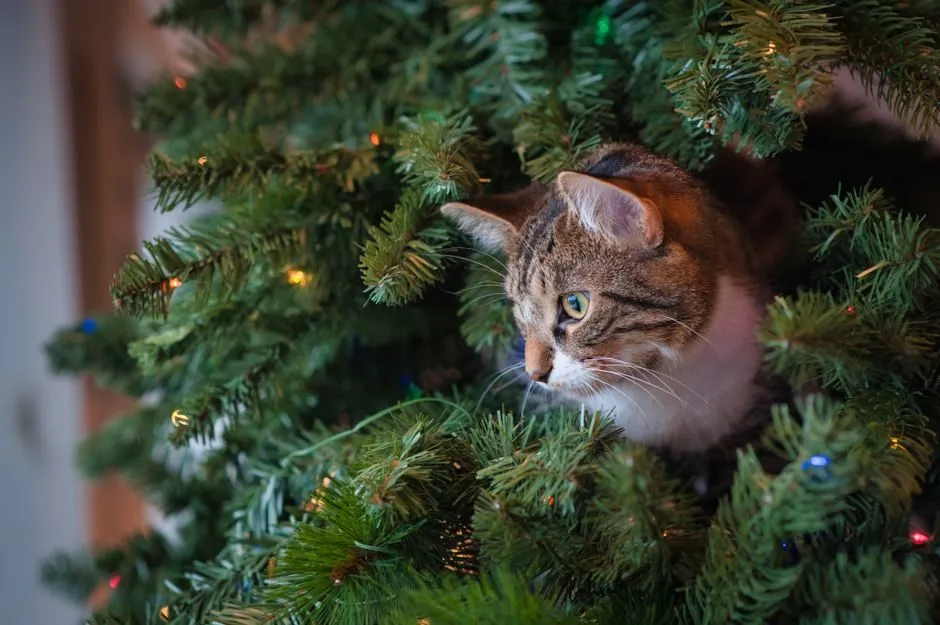
The best way to protect your cat from pine needle toxicity is to limit their access to pine trees and decorations. If you bring a real Christmas tree into your home, make sure fallen needles are swept up regularly, and consider covering the tree base to discourage curious cats from climbing or chewing. Artificial trees and decorations are generally safer, though it’s still important to monitor your cat around any new objects.
Outdoor cats should be supervised during the fall and winter if you have pine trees in your yard. Raking up needles and keeping outdoor spaces tidy can minimize the risk of ingestion. Providing safe, engaging toys and indoor enrichment can help distract your cat from investigating potentially harmful materials. Remember, even the most well-behaved cats may become curious, so a proactive approach is always best.
When to Call Your Veterinarian
If your cat has chewed or eaten pine needles and begins to show signs of illness—such as vomiting, drooling, loss of appetite, or behavioral changes—it’s important to contact your veterinarian right away. Cats are sensitive to toxins, and their symptoms can progress quickly. Early intervention can make a significant difference in your cat’s prognosis.
For any sudden or severe symptoms, including persistent vomiting, signs of pain, abdominal swelling, or blood in the stool, immediate veterinary attention is needed. Our veterinary team at North Churton Animal Hospital is ready to help you navigate these situations and provide the care your cat deserves. You can always request an appointment for veterinary evaluation after possible pine needle exposure or call us directly for guidance.
Keeping Your Cat Safe in Hillsborough and Beyond
As a pet owner in Hillsborough, understanding are pine needles toxic to cats gives you the tools to create a safer home environment during the fall and holiday season. While pine needles are not the most dangerous toxin your cat could encounter, they can still cause real health concerns. By knowing the symptoms, acting quickly if exposure occurs, and working with trusted veterinary professionals, you can keep your feline companion healthy and happy.
If you ever search for a “vet near me” because you’re worried about your cat’s exposure to pine needles or any other household hazard, North Churton Animal Hospital is your neighborhood resource. Our compassionate team is committed to providing comprehensive care for cats and dogs, helping you navigate every season with confidence.
If you have concerns or want to schedule a checkup, call our veterinarians at (919) 644-7387 or visit us at 636 N Churton St, Hillsborough, NC 27278. For more information about our comprehensive physical examinations or diagnostic laboratory services, we invite you to explore our website or request an appointment for veterinary evaluation after possible pine needle exposure. Your cat’s health is our priority every day of the year.